Why SSL Certificates Matter for Your Website: A Complete Guide for Business Owners
An SSL certificate is one of the most important security features for any website. It encrypts data, protects customer information, enables HTTPS, builds trust, and can even improve your search engine rankings. Learn why every business website should use SSL.
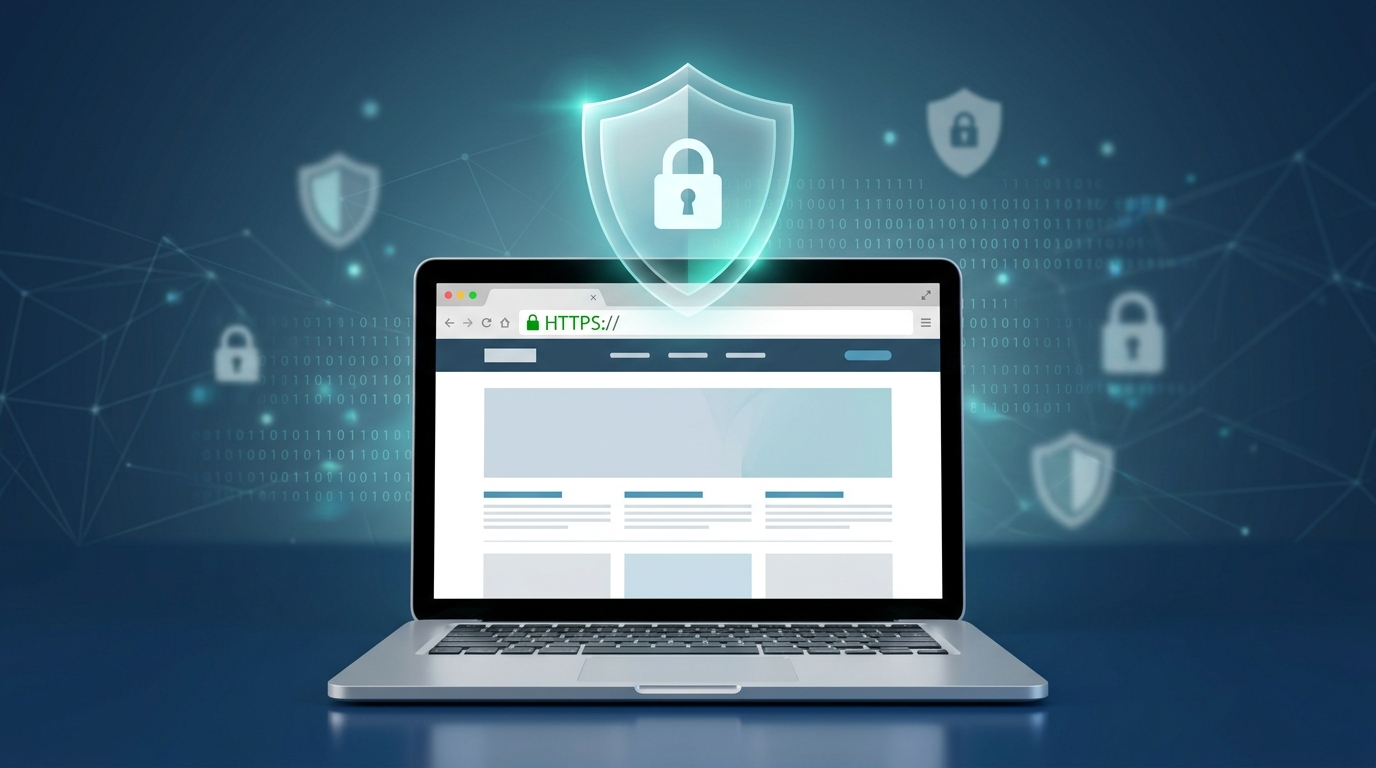
Why SSL Certificates Matter for Your Website
In today's digital world, website security is no longer optional it's essential. Whether you run a small business, an online store, a portfolio, or a corporate website, protecting your visitors' information should be a top priority. One of the simplest and most effective ways to secure your website is by installing an SSL (Secure Sockets Layer) certificate.
An SSL certificate encrypts the information exchanged between your website and its visitors, making it much harder for attackers to intercept sensitive data such as passwords, payment details, or personal information.
Let's explore why SSL certificates are so important and why every modern website should have one.
What Is an SSL Certificate?
An SSL certificate is a digital security certificate that establishes an encrypted connection between a visitor's browser and your website's server. When SSL is installed, your website uses HTTPS instead of HTTP.
You'll also notice a padlock icon in the browser's address bar, showing visitors that the website is secure.
1. Protects Sensitive Information
Whenever users submit information through your website such as contact forms, login credentials, or payment details—SSL encrypts that data before it is transmitted.
This encryption helps prevent cybercriminals from reading or stealing the information while it travels across the internet.
2. Builds Customer Trust
Visitors are more likely to stay on and interact with a website that appears secure.
Modern web browsers often display warnings like "Not Secure" for websites without SSL, which can discourage visitors from continuing.
The HTTPS padlock reassures users that your website takes security seriously.
3. Improves Search Engine Rankings
Search engines such as Google consider HTTPS a positive ranking signal.
While SSL alone won't guarantee top rankings, it supports your overall SEO strategy by helping search engines recognize your site as trustworthy and secure.
4. Essential for Online Stores
If your website accepts online payments or collects customer information, SSL is a necessity.
It protects sensitive financial information during transactions and helps create a safer shopping experience for customers.
5. Prevents Data Tampering
SSL not only encrypts information but also helps ensure that data isn't modified while it's being transferred between your website and your visitors.
This protects users from malicious attempts to alter website content or inject harmful code.
6. Supports Regulatory Compliance
Many security standards and regulations require websites to protect user information using encryption.
Installing an SSL certificate is often one of the first steps toward meeting these security requirements.
7. Improves Brand Reputation
Customers expect businesses to prioritize online security.
A secure website demonstrates professionalism and reliability, helping strengthen your brand image and encouraging visitors to return.
How to Know if a Website Has SSL
You can quickly check whether a website is secure by looking for:
HTTPS at the beginning of the website address.
A padlock icon in the browser's address bar.
No "Not Secure" warning from the browser.
If these are present, the website is using an SSL certificate.
Does Every Website Need SSL?
Yes. Whether you operate:
A business website
An online store
A personal portfolio
A blog
A school or organization website
SSL helps protect visitors, improve trust, and create a more secure browsing experience.
Final Thoughts
An SSL certificate is one of the simplest yet most valuable investments you can make for your website. It protects sensitive information, builds customer confidence, supports better search engine visibility, and ensures your website meets modern security expectations.
If you're launching a new website or upgrading an existing one, make sure SSL is included from day one. A secure website not only safeguards your visitors but also strengthens your business's online reputation.